
Years delivering retrofit
15+
Through three governments, two energy crises and one pandemic.
Impact & evidence
Real results from real projects, tracked survey to handover. Not modelled estimates or rounded-up averages.
The numbers
Years delivering retrofit
15+
Through three governments, two energy crises and one pandemic.
Homes upgraded
1,879+
From single boiler swaps to whole-house deep retrofit, across private and social housing.
Customer energy savings generated
£2M+
Cumulative reported savings, drawn from real customer bill data.
CO₂ reduced
3,500 t
Roughly equivalent to taking 740 cars off UK roads for a year.
Customer satisfaction rate
98%
Average post-installation score 4.9 / 5 across surveyed customers.
Average annual saving per household
£480
Median 12-month reported saving across all measure types.
Our methodology
Every project starts with a pre-installation assessment: property archetype, current EPC rating, measured energy consumption where bills are available, heating-system age, electrical condition, fabric performance and air permeability. This isn’t just for the regulatory file. It’s so we know exactly what state the house was in before we changed anything. Without that baseline, any claim about impact is fiction.
Every measure gets the kit it needs: thermal imaging, LiDAR, drone surveys, borescopes. Different work, different evidence. Every number we cite is defensible.
Post-install: register with certification, lodge to TrustMark, inspect a sample (or every private property). Customers who opt in report actual costs at six and twelve months, feeding directly into impact.
We deliberately avoid using default savings assumptions from a modelling tool and calling that “impact”. Anyone can produce a glossy carbon figure that way. We use real bill data from real customers. When we say £480 average annual saving, that’s the median reported figure from customers who completed a 12-month follow-up, not a manufacturer’s brochure estimate applied uniformly to every job.
The rigour matters for two reasons. It makes our numbers honest, which is the point. And it makes our retrofit design steadily better year on year, because we can see what’s actually working in the field, in real homes, across the messy complexity of real British housing stock. Every survey we do today is informed by every customer follow-up we’ve done since we started.
Real projects
Click any case study for the full property breakdown and customer outcome.
Sector
Property type
Detached, 1970s · Homeowner
Air source heat pump · Solar PV (6 kW) · Battery storage · Loft insulation · Cavity wall insulation
Annual saving: £1,240
EPC: E (44) → B (89)
“We budgeted for disruption and got almost none. Three actual days of work, spread across two weeks to suit our diary. The house is warmer than it has ever been and the first winter bills were a genuine shock, in the good direction.”

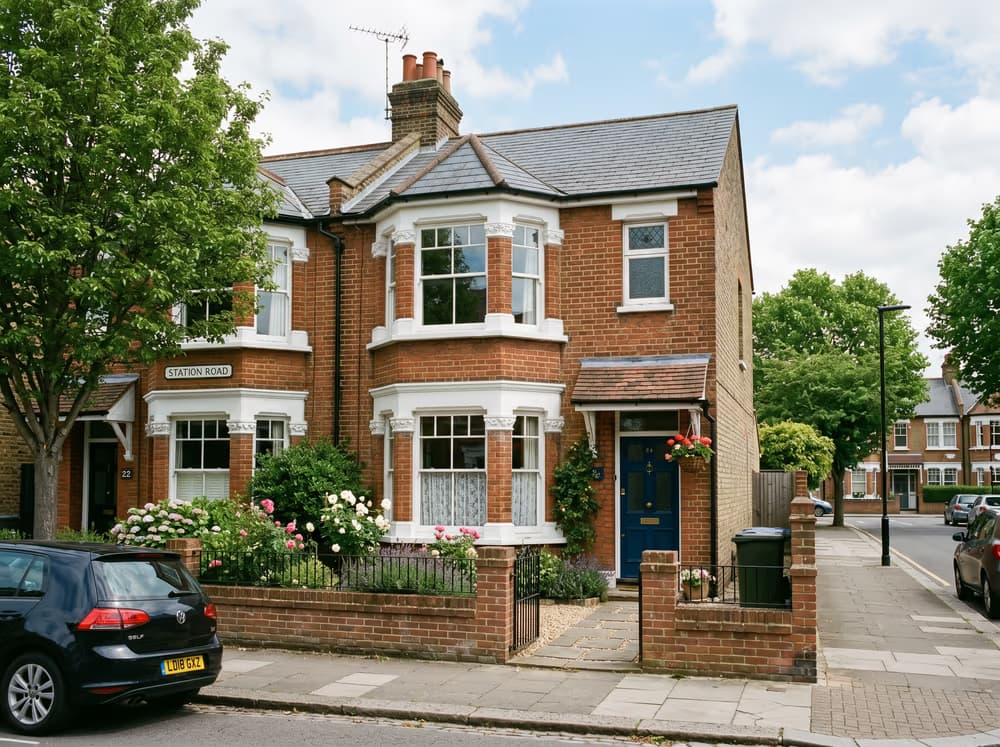
Victorian mid-terrace, solid walls · Homeowner
High-efficiency condensing boiler · Internal wall insulation (2 rooms) · Loft insulation top-up
Annual saving: £680
EPC: F (28) → D (62)
“They were upfront that solid-walled Victorian terraces are never easy to insulate. They explained the trade-offs in language I could actually follow, we chose internal insulation for the two coldest rooms, and the difference is remarkable. Rooms we barely used are now comfortable in January.”
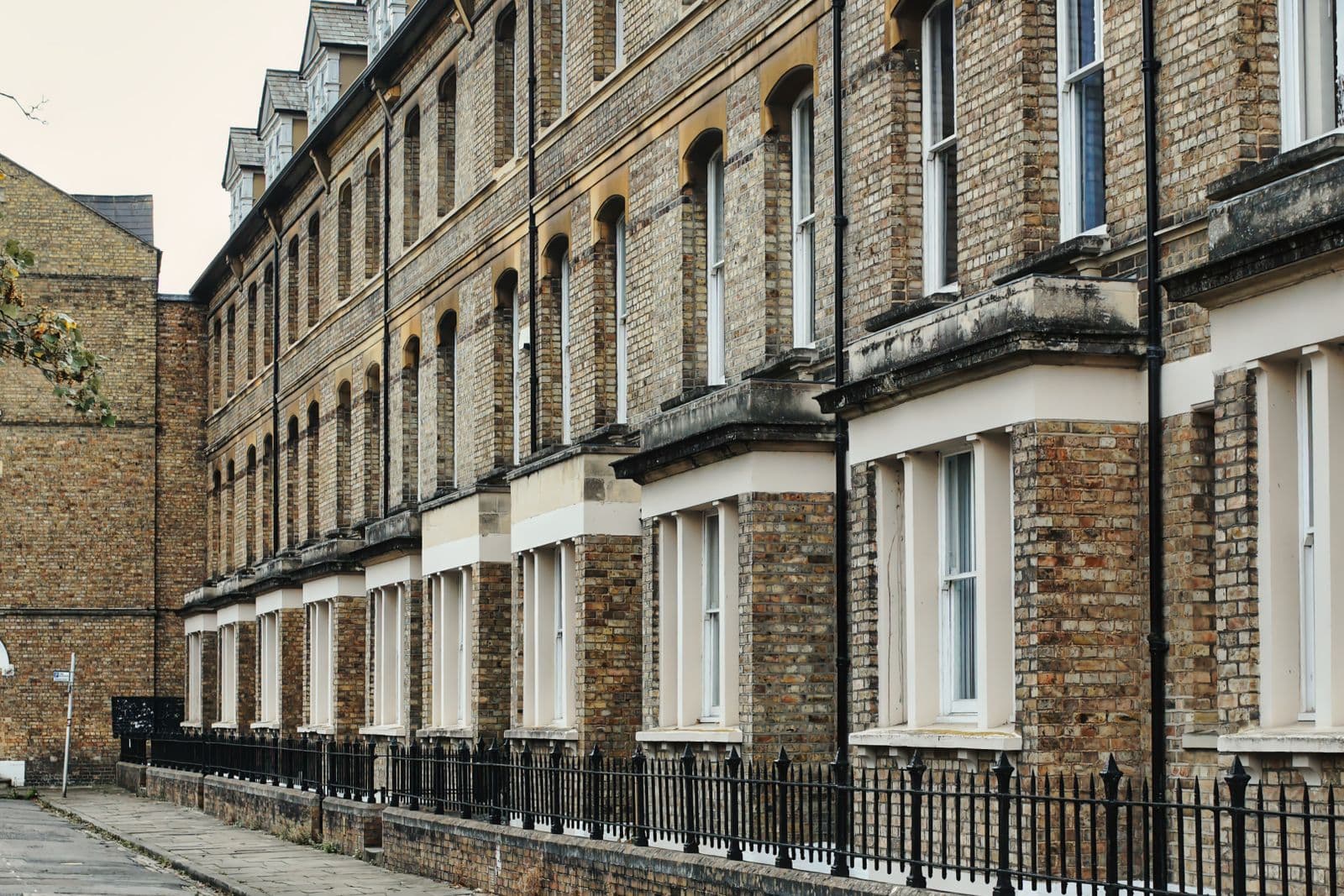
Mixed: 1960s council flats and terraces · Social Housing
Solar PV · External wall insulation · Loft insulation · Heating controls upgrade
Annual saving: £620 per property
EPC: D average → B average (94% of properties)
“The documentation package was the best we have had from any installer. Every property had its own compliance file, every TrustMark lodgement completed within forty-eight hours. It made our grant reporting genuinely simple.”
Sheltered housing, older residents · Social Housing
New heating systems · Loft insulation · Draught-proofing · Heating controls
Annual saving: £480 per unit per year
“Working with vulnerable tenants demands patience and real sensitivity. Smart Energie’s team understood that instinctively. Not a single complaint from residents across the whole programme. Something we have never said about a retrofit before.”
Why our credentials matter
Most installers hold two or three certifications. We hold eighteen, because every type of work we do has its own standard, and we don’t take on jobs we’re not fully certified for. The full deep-dive on every credential, including verification links and registration numbers, lives at /about/accreditations.
PAS 2035:2023
TrustMark (operator of the PAS 2035 retrofit framework), delivered through a qualified Retrofit Coordinator
Verify ↗PAS 2030 (CWI)
Installation Assurance Authority (PAS 2030 certification body)
TrustMark (IAA)
Installation Assurance Authority (TrustMark scheme provider)
The bigger picture
Three and a half thousand tonnes of CO₂ is, very roughly, the equivalent of taking 740 cars off UK roads for a year. Or the annual carbon absorption of around 175,000 mature trees. We don’t think those comparisons are particularly meaningful in themselves, but we know they help some people picture the number.
For us, the more meaningful measure is simpler: every home we improve is a household that spends less money on energy it didn’t need to lose through draughty walls, single-glazed back doors and ancient boilers. Every house that moves from an EPC E to a B is a warmer, healthier, drier place to live, particularly for the older residents and young families who feel the cold most. Every heat pump that quietly replaces a tired gas boiler is a small but permanent reduction in the country’s fossil-fuel dependence.
We don’t retrofit homes to hit a sustainability metric. We do it because it’s genuinely good work, economically, socially, environmentally, that makes a real difference to real people in front of us. The carbon arithmetic is the consequence of doing that at scale, year after year, properly.
3,500
Tonnes of CO₂ reduced
740
cars off UK roads for a year
175,000
mature trees absorbing for a year
Based on UK government standard conversion factors. These are estimates intended only to help visualise the headline number.
See your home
Every number on this page came from a real project, in a real home, for a real customer. Yours can be next. Book a free survey and we’ll tell you honestly what’s worth doing, before you commit to anything.
Monday–Friday, 09:30–17:30. A real person, every time.