


01
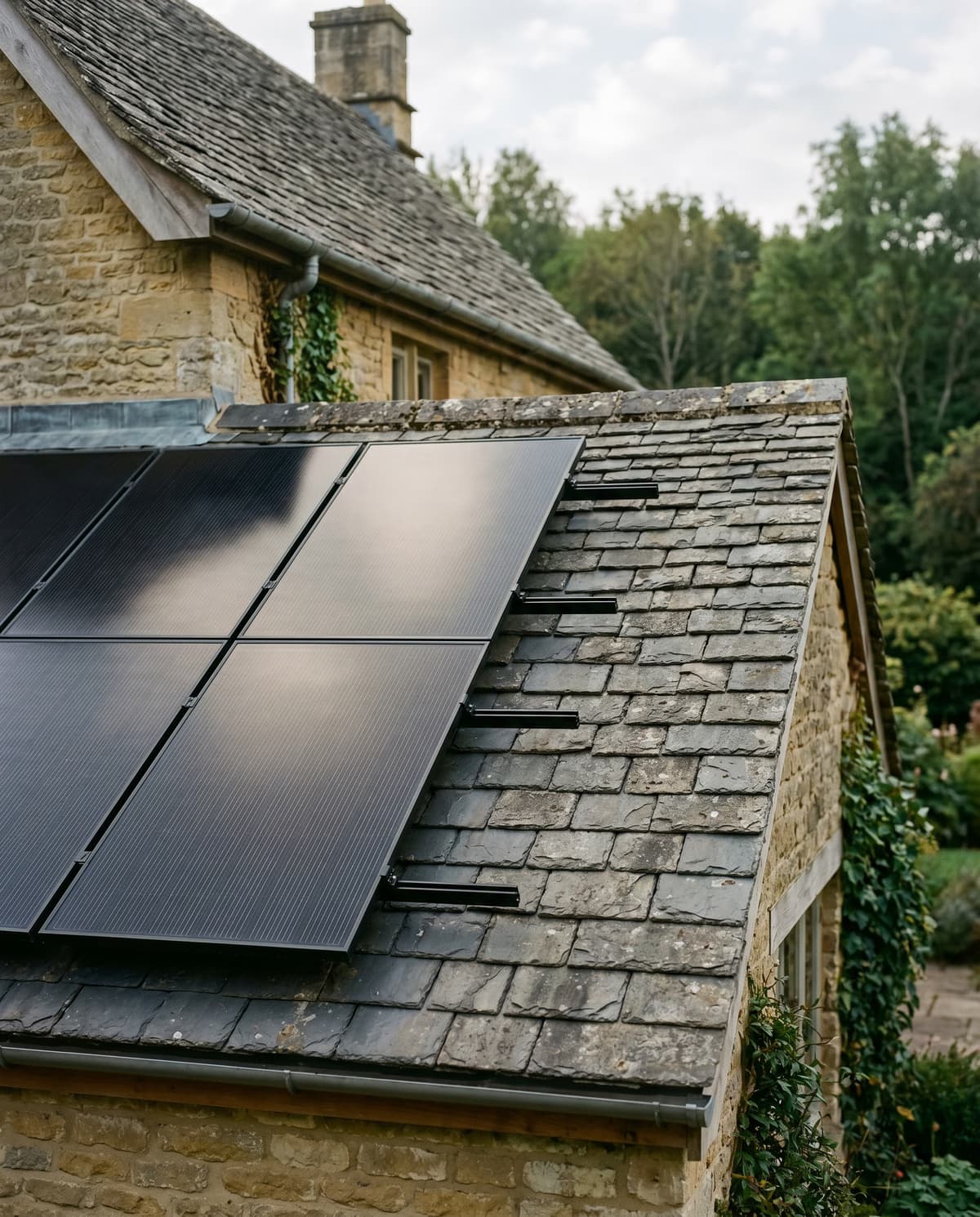
Shade-aware panel layout
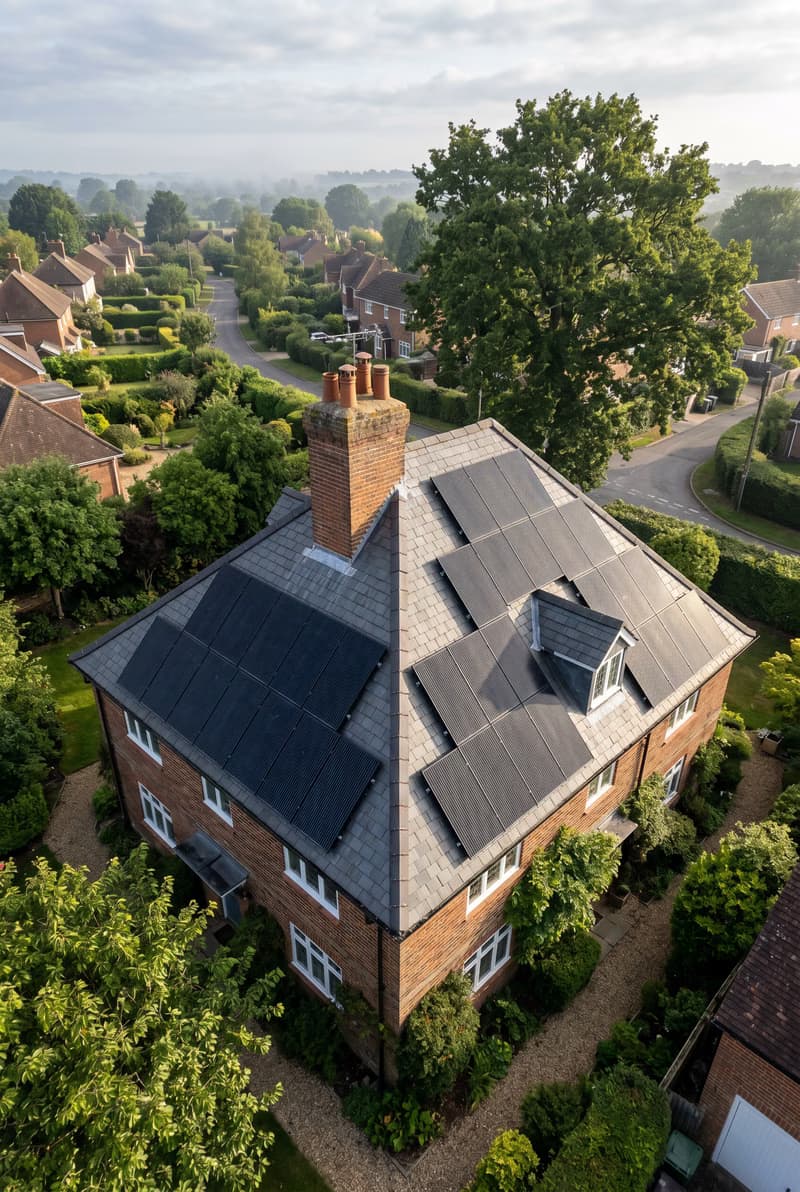
We use actual site photography, roof-pitch data, and annual shade modelling to place panels where they produce, not just where they fit.
Solar, battery & EV
Panels, a battery and an EV charger sized around how your home actually uses energy, so you store and use more of what you make.
Why this matters
Solar, battery, and EV charging make sense designed together. But savings depend on roof, shading, occupancy, whether you add a battery, and your tariff. Without proper modelling, you end up generating power at the wrong time of day.
What you get
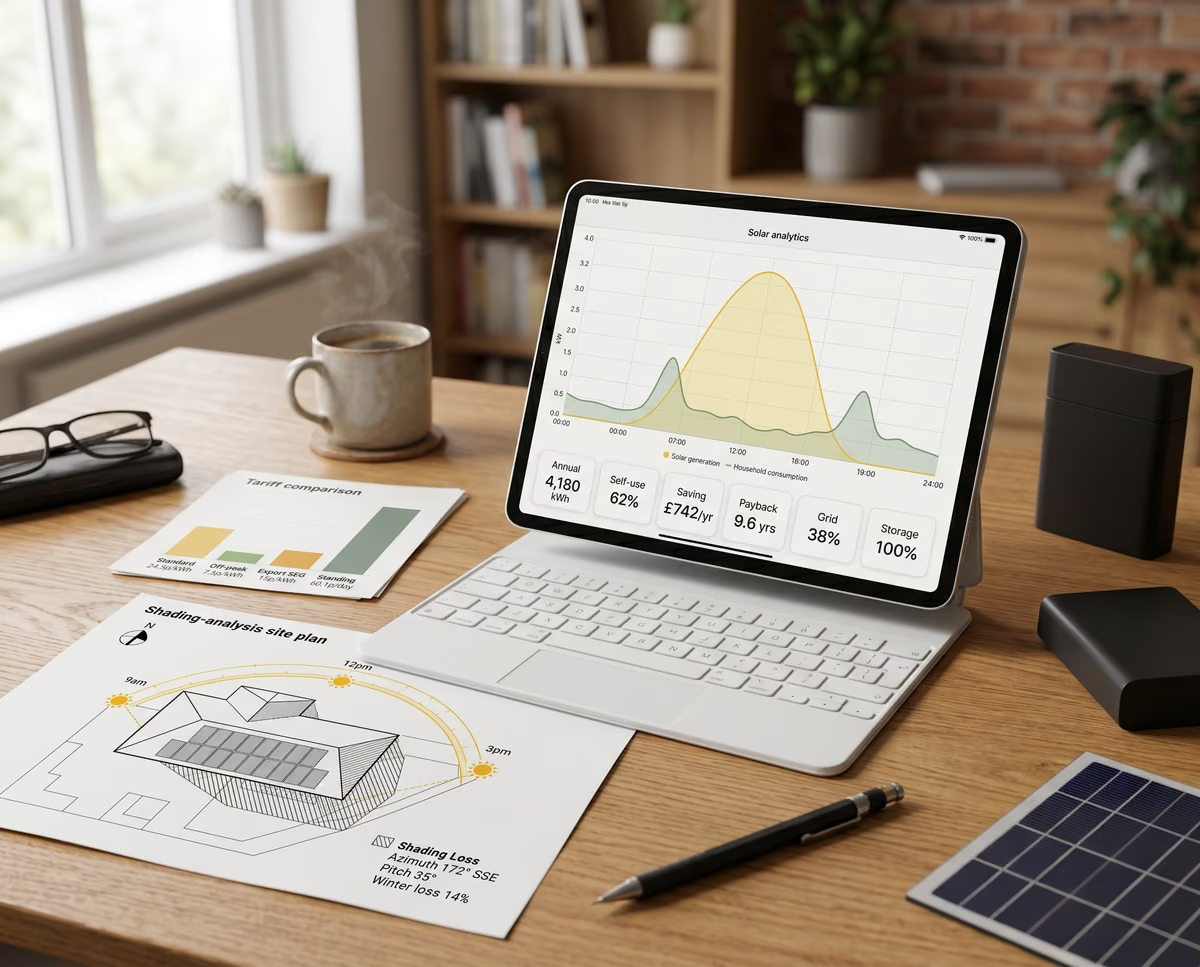
Solar, battery and EV charging designed as one system, so each part earns its place before it goes on your roof.
Our approach
We use actual site photography, roof-pitch data, and annual shade modelling to place panels where they produce, not just where they fit.
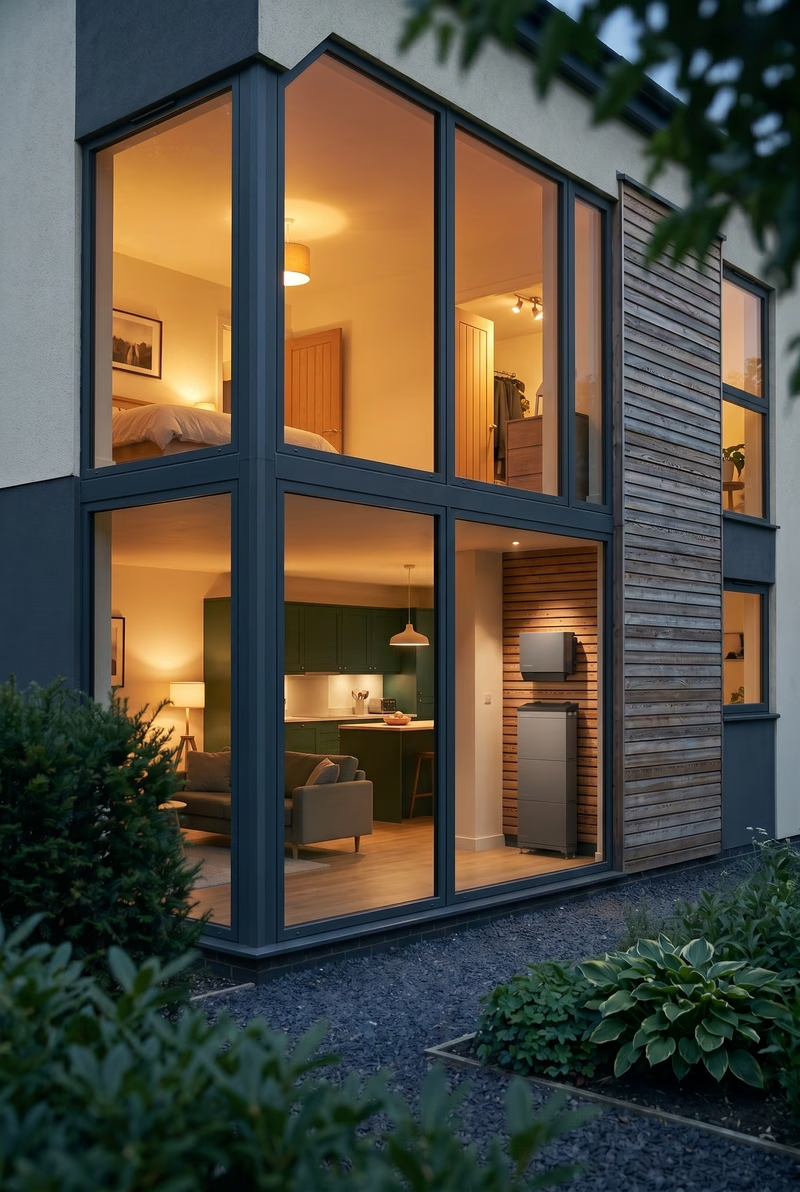
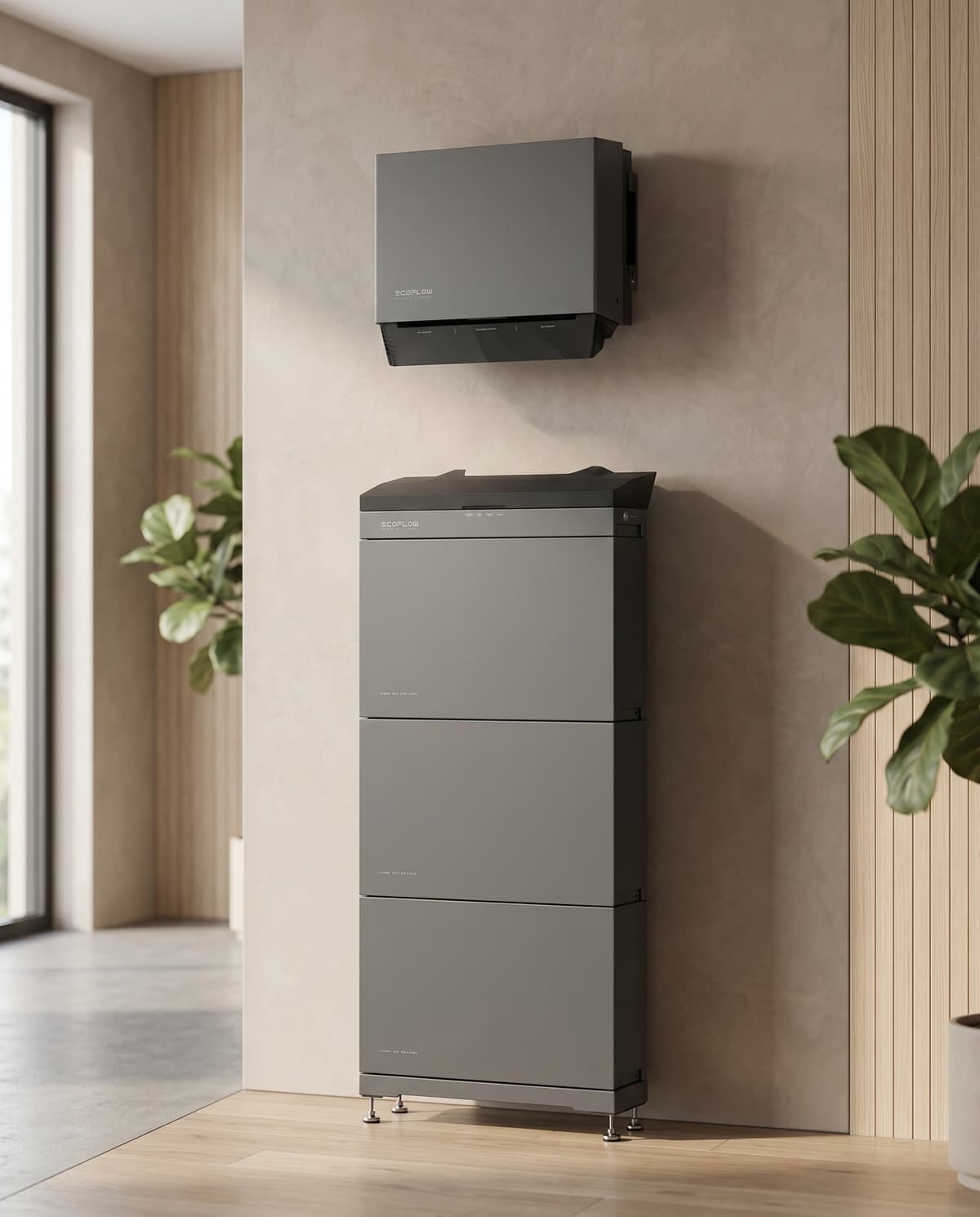
A 10 kWh battery is not always better than a 5 kWh battery. We model your evening load profile and size for payback in your real circumstances.
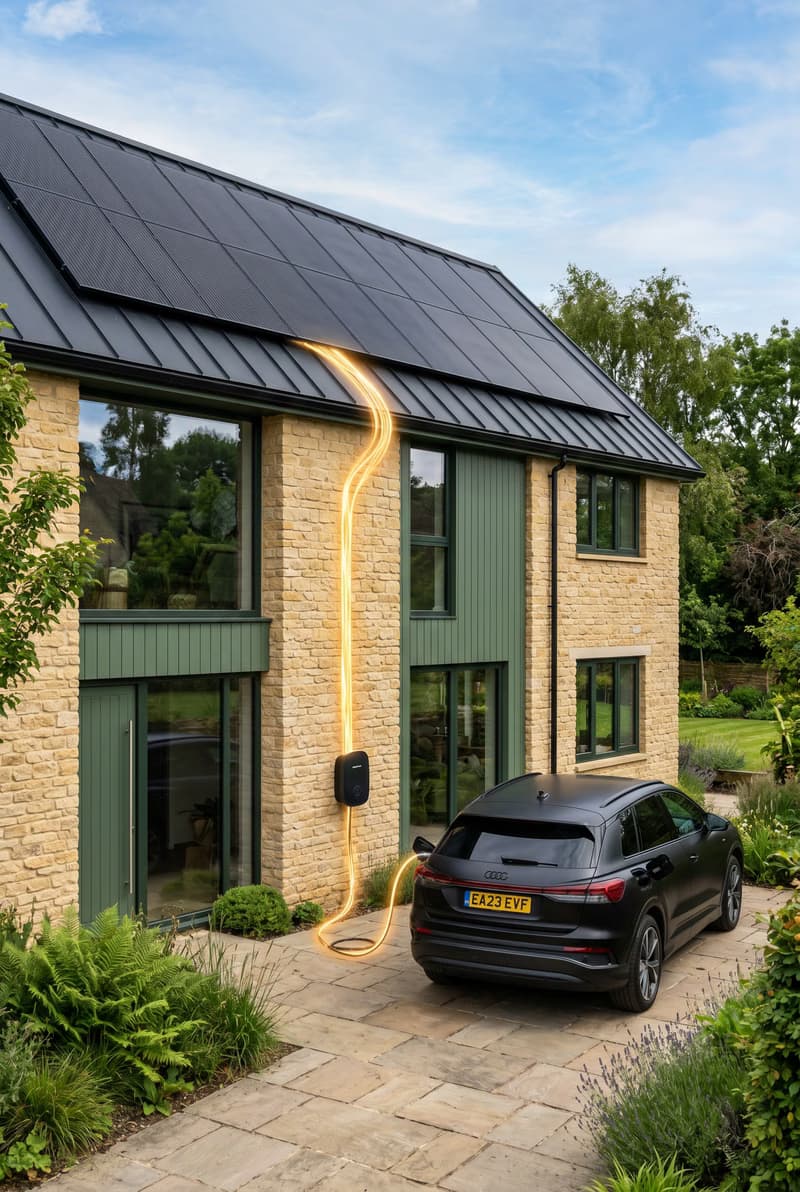
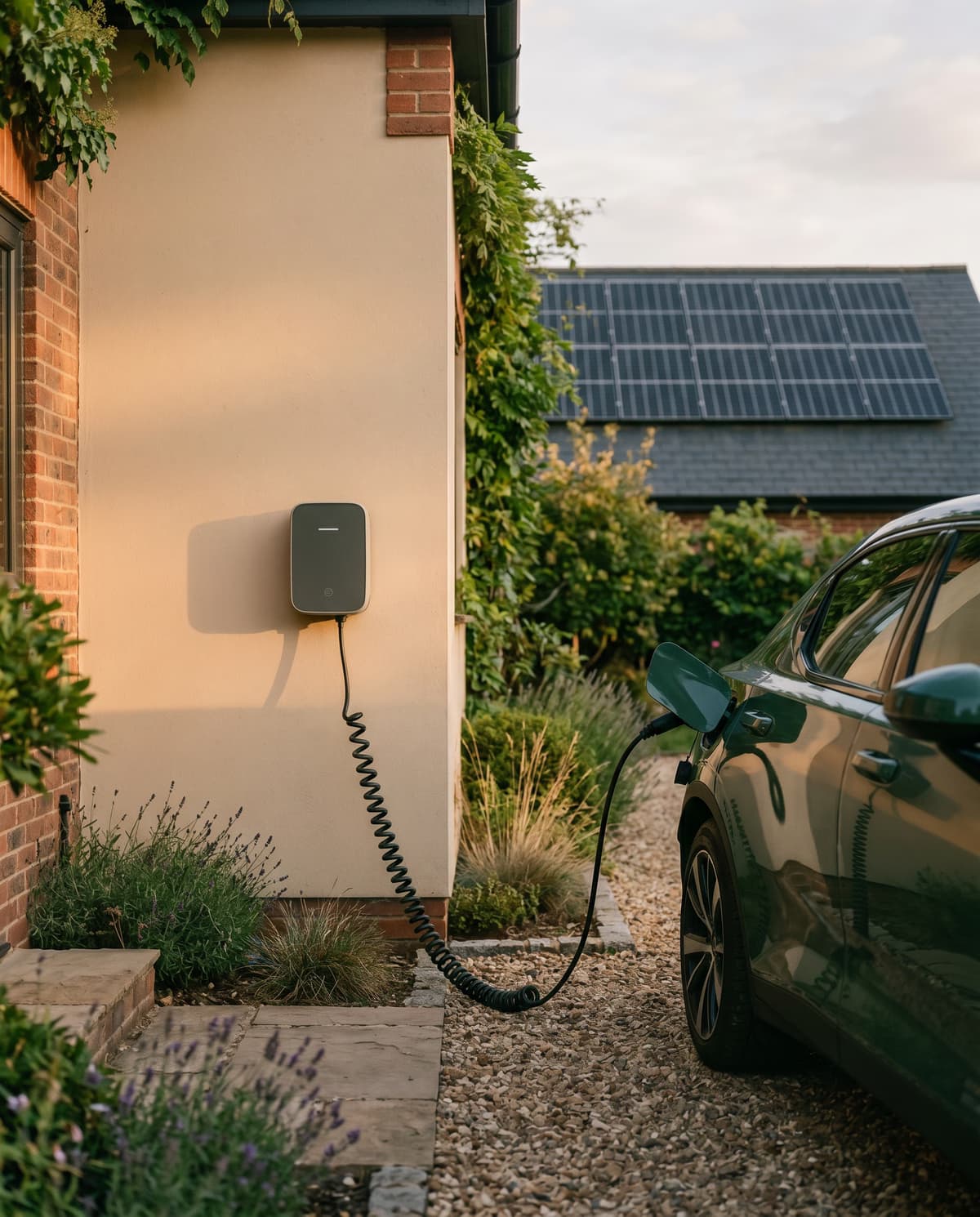
Solar-aware chargers (Zappi, Indra, etc.) that prioritise charging from your own generation before pulling from the grid. Configured, tested, and demonstrated at handover.

G99 or G98 application to your DNO, MCS install certificate, TrustMark lodgement, and HIES or RECC consumer code protection, all handled by us.
The process
No surprises, no jargon. A clear, documented path from your first call through to handover and the follow-up visit, so you always know what happens next and why.

Fifteen minutes on the phone. Roof orientation, annual electricity usage, EV plans, any existing solar. We tell you honestly what a good system might look like before booking a survey.
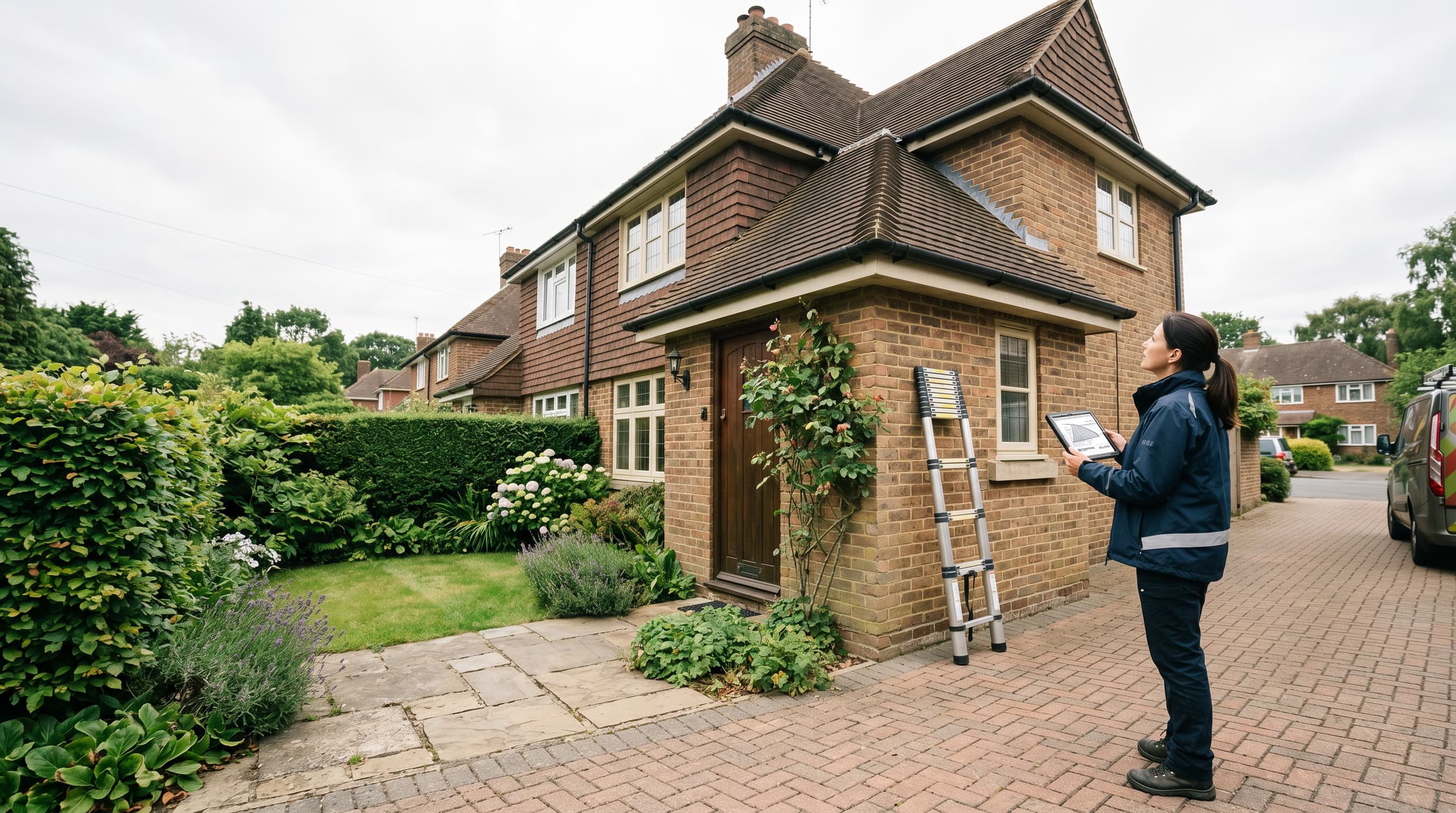
Satellite imagery and shade modelling first, then a site visit for roof structure, electrical supply, consumer unit condition, and cable routing. Approximately ninety minutes on site.
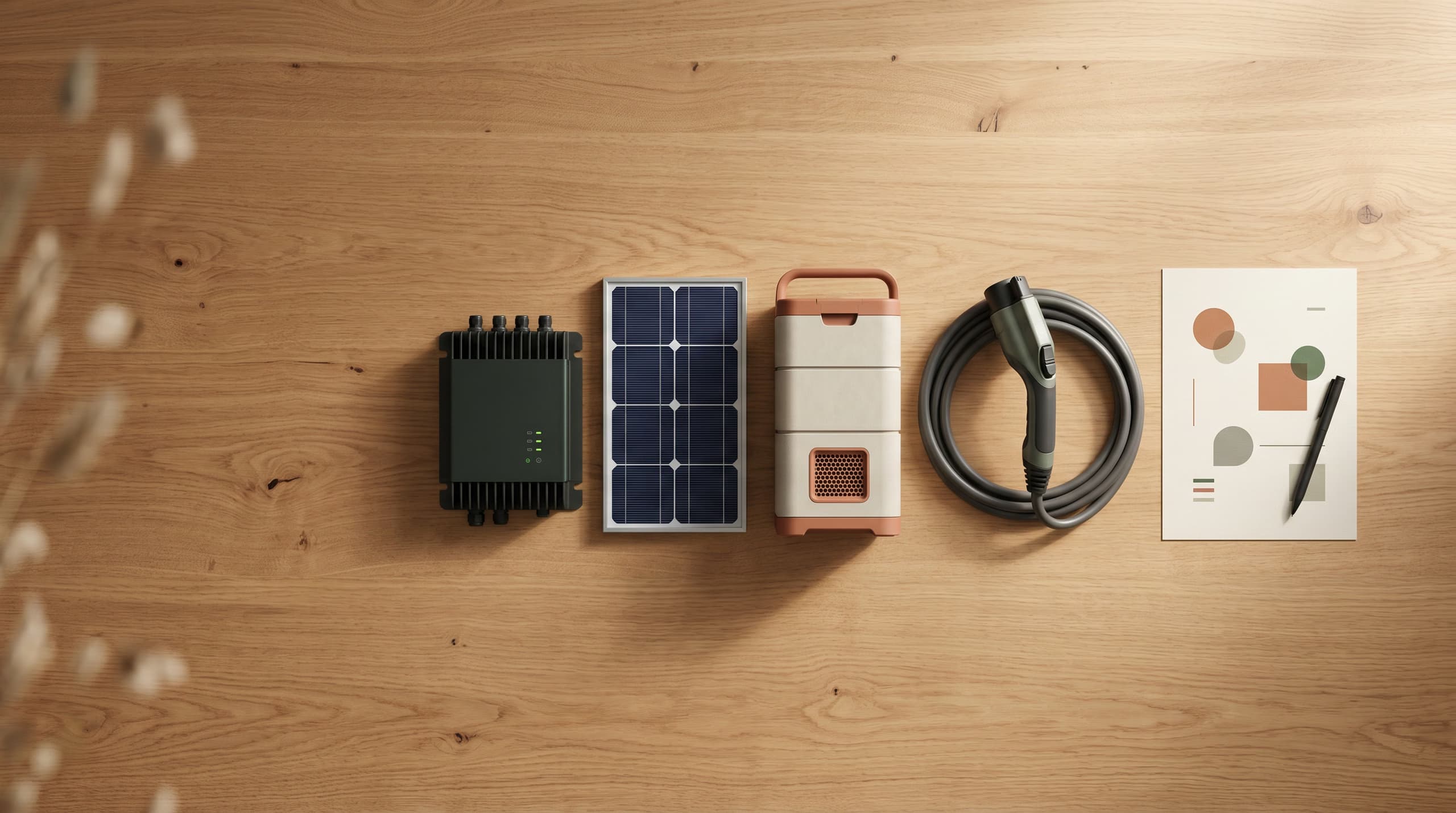
Panel layout diagram, inverter specification, battery model (if recommended), EV charger specification, conservative annual generation estimate, and a fixed price broken down by component.
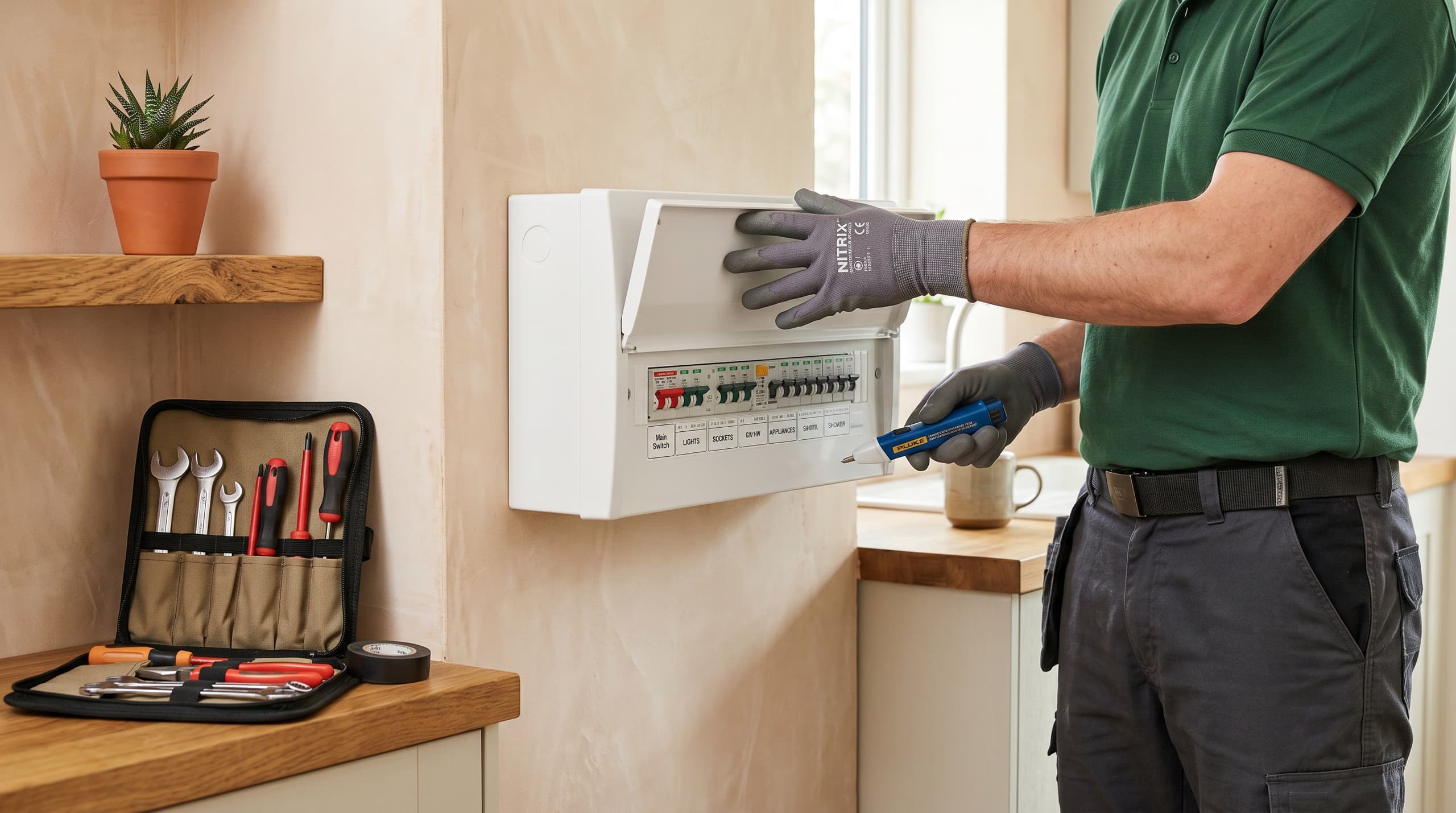
Typically one day on the roof, one day on the electrical install. Panels, inverter, battery, EV charger, consumer unit work, and meter commissioning, all completed in a single visit.

Before we leave, we install the monitoring app on your phone, show you what good looks like, and explain when to expect peak generation. MCS certificate emailed within two working days.
Our signature honesty
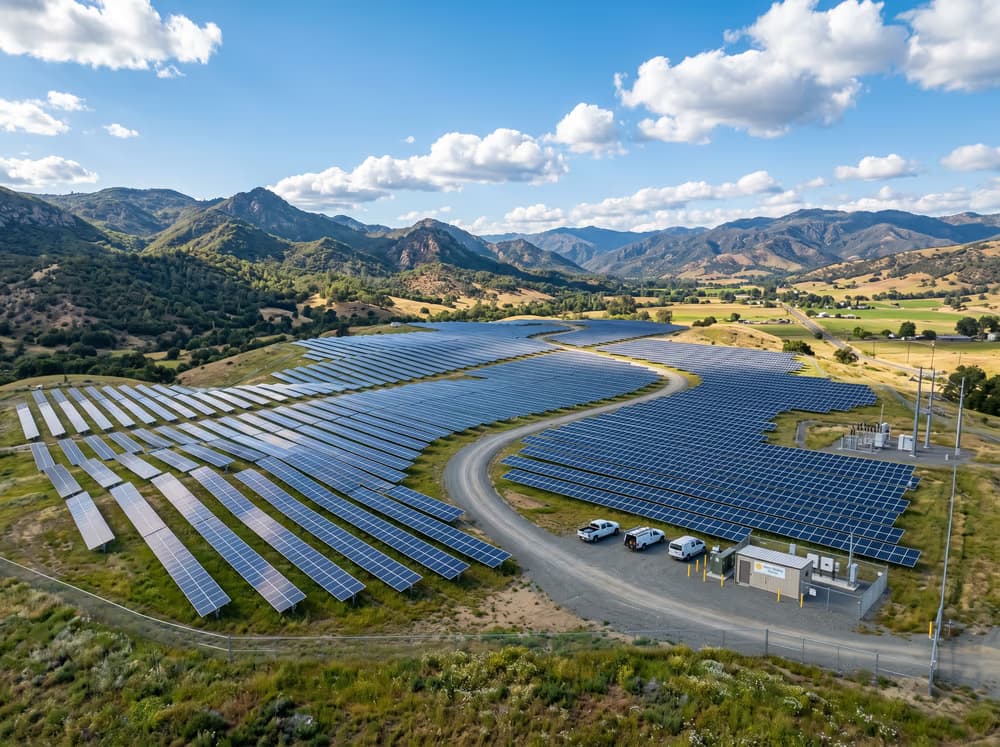
The roof is mostly north-facing, or heavily shaded by trees or buildings. Even the best panels produce a fraction of their rated output on a bad roof orientation. We use drone photogrammetry to measure actual solar exposure. We won’t fit panels where the maths doesn’t support them.
You use very little electricity during the day and don’t want a battery. With no battery, solar only saves you money while you’re actively using it. Households that are out all day and don’t charge an EV or run a heat pump see poor payback without storage.
You’re planning to move within 5 years. Solar adds some resale value but not usually enough to recoup the install cost in a short window.
Your roof needs replacing in the next 5 years. Better to do the roof work first. Otherwise we’d have to remove and refit the panels at additional cost.
We’d always rather show you the honest numbers than install panels that’ll disappoint you.
We quote conservative annual generation figures based on MCS standards, typically 10–15% below the best-case figures some installers quote.
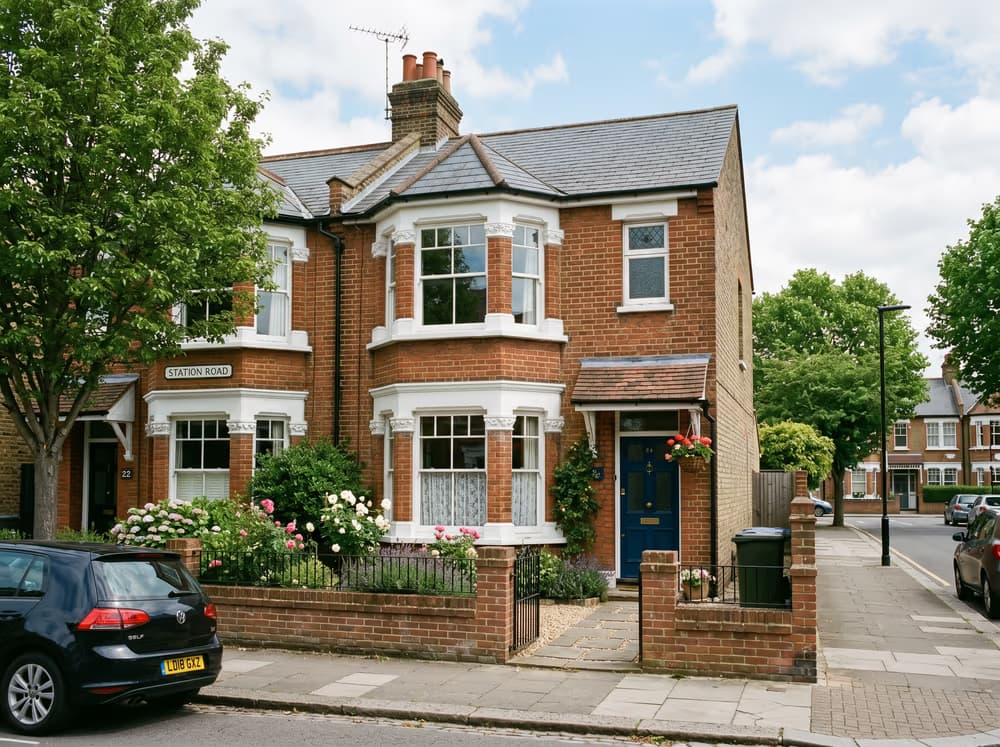
We recommend a battery only when payback is under ten years. If the numbers do not stack up, we say so.

Solar-aware chargers that prioritise charging from your own generation. Typical EV running cost on solar: £0.

25-year panel warranty, 10-year battery warranty, 5-year workmanship warranty, all from one installer rather than three.
Independently audited
03 registers held · verifiable with each issuing body
Straight answers
06 questions · asked on real surveys
Q01 / 06
Savings depend on your annual electricity usage, when you use it, your roof orientation, whether you add a battery, and your export tariff. A typical 4 kW system on a south-facing roof in the South of England generates 3,600–4,000 kWh per year. If you can self-consume 40% of that and export the rest on SEG at ~15p/kWh, annual savings are roughly £750–£900. With a battery, self-consumption can rise to 70–80% and savings proportionally increase.
Savings depend on your annual electricity usage, when you use it, your roof orientation, whether you add a battery, and your export tariff. A typical 4 kW system on a south-facing roof in the South of England generates 3,600–4,000 kWh per year. If you can self-consume 40% of that and export the rest on SEG at ~15p/kWh, annual savings are roughly £750–£900. With a battery, self-consumption can rise to 70–80% and savings proportionally increase.
Not always. Batteries make sense if your evening usage is high (heat pump, EV charging, work from home) or if you are on a time-of-use tariff that benefits from overnight off-peak charging. If you are out during the day and home only briefly in the evening, a battery may not pay back before the warranty expires. We model this honestly.
Yes, but output drops by roughly 30% compared to south-facing. East-west split is often better than north alone. We use actual annual generation modelling, not rules of thumb, to tell you whether a given roof is worth installing on.
An MCS install certificate is required by all major Smart Export Guarantee (SEG) tariffs. We are MCS certified, so you receive the certificate automatically. Your DNO application (G98 or G99) is also handled by us before the install.
Correctly installed solar is neutral or slightly positive for roof longevity (UV protection). We use proper flashing, seal every penetration, and photograph each fixing. If we find your roof is in poor condition during survey, we say so before quoting, because reroofing a few years after a solar install is expensive and frustrating.
Yes. We install OLEV-approved chargers (Zappi, Andersen, Ohme, Indra) with or without solar. Typical install is half a day. We handle the DNO notification.
A free survey, booked at a time that suits you, and the two numbers that make the maths work, sorted before you see a price.
We register your system and set up the export tariff, so you start earning from day one. Rates vary by supplier and we help you pick the best one.
Through our FCA-regulated finance partner. Ask us to model the monthly figure against your current bills. Subject to status.
Export tariff and finance both set up during your free survey, before any quote.
Typical installed price · 8 panels + 5kWh battery, typical 3-bed
£8,500–£13,000
for 8 panels and a 5kWh battery on a typical 3-bed. Includes panels, inverter, battery, mounting, DC+AC cabling, G98/G99 commissioning, MCS certification, and a separate consumer-unit connection where needed.
A free survey is how we turn this range into a fixed price. We'll never ask you to commit before the written plan is in your hands.
Driver 01 · tap what matches
Driver 02 · tap what matches
Driver 03 · tap what matches
OutlookAnswer the rows and we'll sketch where in the range your home is likely to land.
0% VAT on panels and battery storage until 31 Mar 2027, plus export income through the Smart Export Guarantee. Finance available. Private solar is not grant funded for most homes, and we will not pretend otherwise.
Updated 25 April 2026 · quarterly